Table Of Content
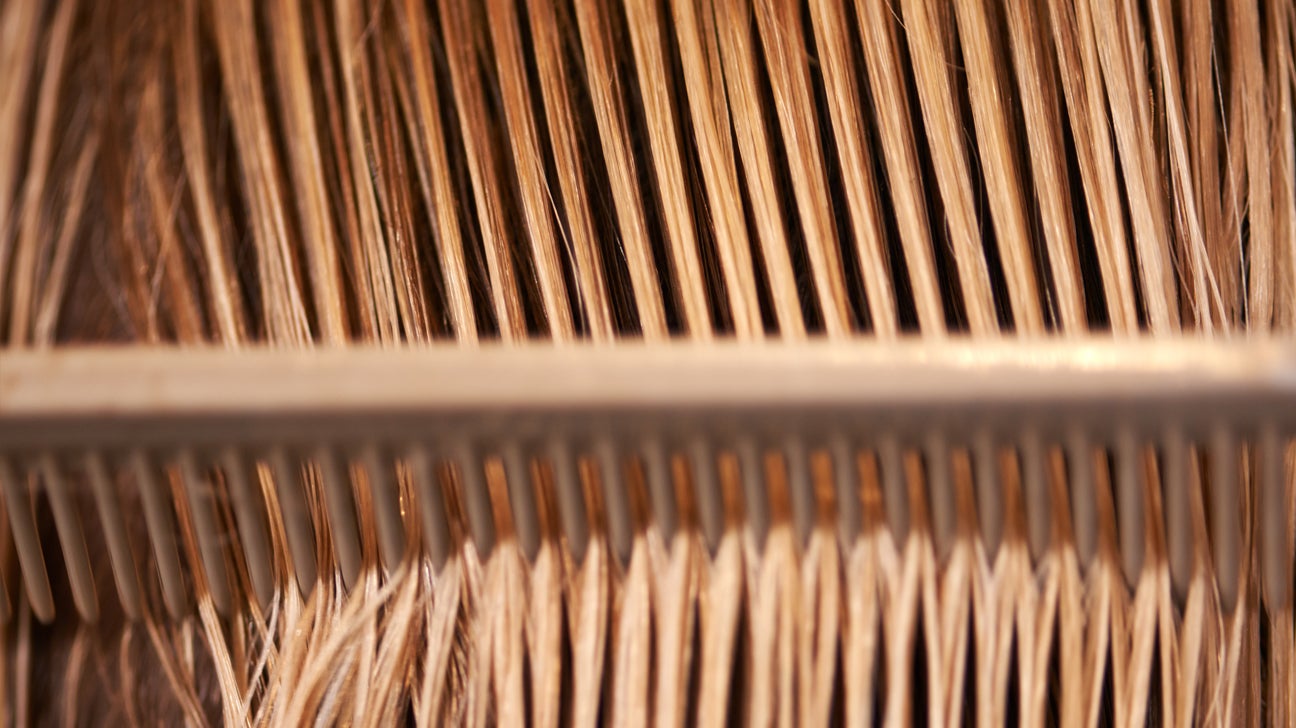
This is why permanent hair dye performs badly on wet hair. If you’re stumped trying to answer the question, “do you dye wet or dry hair,” there isn’t necessarily one right answer. Sometimes, dyeing wet hair may be recommended, while other times you may find that it is best to dye your hair when dry.
The Downsides of Dyeing Wet Hair
Permanent and box dyes usually contain hydrogen, ammonia, and other chemicals that damage your hair. Using permanent dye on wet hair will result in dry, frizzy, and unmanageable hair. While water makes it easier to get the dye onto every strand of hair, it’s overall less precise when it comes to color application.
Unleash Your Inner Artist with King Art Markers: A Colorful Journey
However, while dyeing your hair, there can be many questions that will go through your mind. How likely your hair is to tangle, its tendency to frizz, and other factors related to hair type can affect whether (and how much) it may be damaged by sleeping with wet hair. There is no scientific evidence that sleeping with wet hair causes a cold. The common cold is caused by viruses spread from person to person through droplets in the air from coughing or sneezing, or contaminated surfaces. Most adults experience a common cold infection about two to three times per year, whether or not they sleep with wet hair.

Advantages of dyeing hair while wet
But many people forego these instructions even though they are very important. Most hair dyes are designed for dry hair application only. However, if you are using permanent hair dye or are looking for a big change from your current hair color, dyeing your hair while wet isn’t normally recommended. Permanent dyes on wet hair can lead to an uneven coloring job. You can dye wet hair, and it’s preferred in many cases due to better color absorption, a more even color result, and less clean-up after the hair dyeing process.
POPULAR HAIR COLORING TECHNIQUES TO CONSIDER
5 Rules To Know Before Dyeing Afro Hair - British Vogue
5 Rules To Know Before Dyeing Afro Hair.
Posted: Wed, 16 Feb 2022 08:00:00 GMT [source]
Plus, at-home coloring kits include directions that you should always follow. They likely won’t involve applying bleach or dye to wet hair. Not only does bleach process faster on wet hair, but the goal is to create a subtle color change.

"When hair is wet, it's more likely to break, so you want to be gentle and don't want to tear at your hair," says Quinlan. Finally, whether you choose to wet your hair before dyeing is entirely up to you. The next big issue is whether to apply dye to clean or dirty hair.
Quick Tips to Maximize Results
Usually, dying dry hair is recommended because it soaks in the hair color more efficiently and locks it in so that the color does not leave after just a few washes. Moreover, dry hair is stronger than wet hair as it has stronger bonds formed by the proteins which make it less susceptible to dye-related dryness and damage. The best way to protect your wet hair while dyeing is to use semi-permanent hair dyes. These products do not contain nearly as many harsh chemicals as regular hair dyes, so the damage will be minimized. Everything is easier when you can apply your hair color dye on wet hair.
Do — and I Cannot Stress This Enough — Not Try the Bleach Washing TikTok Trend at Home - Allure
Do — and I Cannot Stress This Enough — Not Try the Bleach Washing TikTok Trend at Home.
Posted: Mon, 20 Jun 2022 07:00:00 GMT [source]
Dyeing wet hair with permanent dye may also result in more patches. The next time someone asks you, “can you permanent dye wet hair,” hopefully you’ll know the right answer to share with them. You may think that the benefits of dyeing wet hair apply to every type of dye. Although you can dye your hair when wet, ensure you follow all instructions appropriate to your dye treatment. Don’t forget to deep condition your hair after the process for the next 6 weeks, and be absolutely sure you’re not using hydrogen or ammonia on wet hair. There is no special instruction for depositing hair dye on wet hair.
Does dyeing wet hair cause more damage to the hair than dyeing dry hair?
This includes the time spent waiting for your hair to absorb the dye. This oil is a protective layer that prevents your hair from getting damaged. Here are a few risks that you have to watch out for and pay attention to when planning to color your hair while wet. However, when they are open, the hair becomes prone to damage, and the bonds that protect our hair weaken.
It is not possible to achieve the desired effect, and if the pigment is first diluted with water. Apply the remaining color mixture to hair lengths and ends, starting where the roots stop. Planning on getting a haircut while you’re trying out a new color? If that’s the case, be sure to read up on the 5 Questions to Ask Yourself Before Getting a New Haircut. For all-over color…try L’Oréal Paris Féria or L’Oréal Paris Superior Preference. However, if you want to minimize the errors that could be made in the process, then it would be better to do it in a proper salon.
"I always brush my hair before the shower, when it's dry, to get the knots out," says stylist and colorist Siobhán Quinlan. Post-shower, you should comb your wet strands with a wide-tooth comb, or use a wet hair brush when hair is damp. As carefully and lovingly as you should treat dry tresses with the right brush and hairstyle, wet hair requires even more TLC as wet (or damp) hair is especially fragile. Hair cuticles will open, and water will help distribute the liquids.
Moisture balance and pH levels help maintain toner coverage, enhancing saturation of the color change. This is because wet hair will absorb water before you even apply the dye, which means the colors won’t be properly absorbed into hair cuticles as much. It is important to carefully read and follow the instructions provided with the hair dye product to ensure that you leave the dye on for the recommended amount of time. Temporary dyes can be a fun and easy way to experiment with different hair colors without fully committing to a permanent hair change.
However, according to our experts, like other color-depositing shampoos, blue shampoo won’t cleanse the hair as well as your standard option. But we demand rent from the brassiness and dullness that happens after a few weeks. That’s where color-depositing shampoo (think purple shampoo) comes into the picture. At home, and even in hairdressing salons (if the masters are inexperienced), a huge mistakes can be made while dyeing. Dyeing is the most common procedure for beautiful hair owners. The pigment covers the gray hair, makes the hair more beautiful and brighter.
If you’ve ever gotten your hair colored, chances are your stylist started applying the color before washing (or cutting) your hair. But if you’re dyeing your hair at home, that may not have been the case. Get tips on the best products and techniques to achieve the perfect color in the following video. To protect your locks from damage while using an at-home color kit, it’s important to understand how pH works in relation to developer use as well as shampoo rinses. As mentioned previously, wetting hair with water instead of washing it with shampoo will open up its cuticles so that less product is required overall. You can achieve subtle dimension when dyeing your hair while wet, giving you a natural-looking color and texture.


No comments:
Post a Comment